
 Joaldo Lima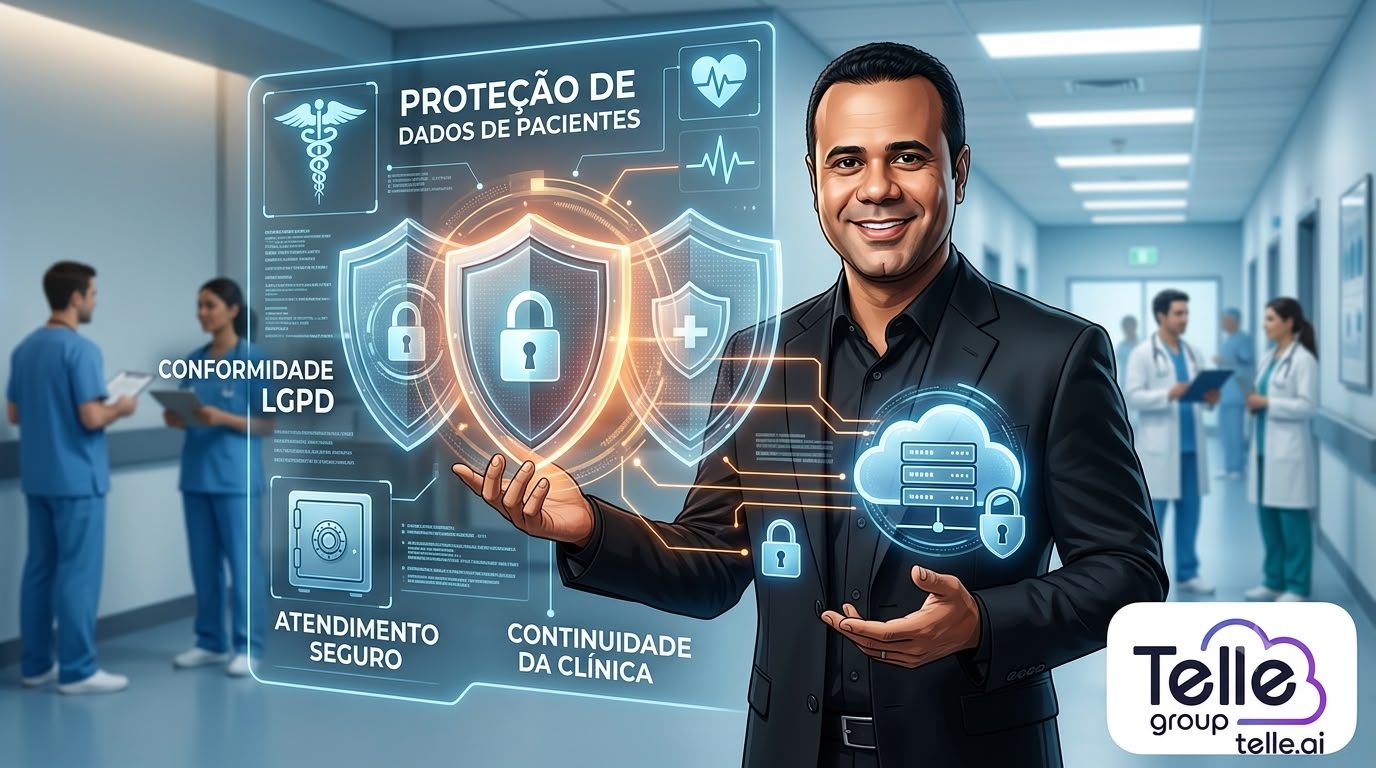
Digital transformation in the healthcare sector has brought clear benefits: electronic medical records, online scheduling, telemedicine, automated communication and faster access to clinical information.
At the same time, this evolution has increased the exposure of clinics to cyber threats. Patient data, medical records, exams, documents, diaries and administrative systems have come to depend on well-protected digital environments.
For managers and healthcare professionals, cybersecurity is no longer a subject restricted to IT. It has become part of business continuity, LGPD compliance and patient trust.
Why are clinics relevant targets?
The healthcare sector deals with one of the most sensitive assets in the digital environment: personal health data.
Medical information is detailed, permanent, and difficult to replace. Unlike a password or card, a medical history cannot simply be canceled and recreated.
This makes clinics, offices and healthcare operations targets of attacks such as:
- ransomware;
- phishing;
- credential theft;
- leakage of medical records;
- unavailability of systems;
- improper access to diaries and documents.
The impact can affect service, reputation, relationships with patients and legal obligations.
Cybersecurity as part of the patient journey
A secure clinic doesn’t just protect servers and computers. It protects the patient experience.
When a person shares health data, documents and medical history, they expect confidentiality, care and responsibility. If that trust is broken, the damage goes beyond the technical incident.
Therefore, information security must be present from scheduling to data storage, including service, communication, medical records, payments and integrations with external systems.
Pillar 1: GDPR compliance
The General Data Protection Law treats health data as sensitive personal data. This requires greater attention to collection, use, storage, sharing and disposal.
In practice, clinics need to take care of points such as:
- access control to systems;
- legal basis and purpose for processing data;
- retention policies;
- registration of consents when necessary;
- security in suppliers and platforms;
- incident response;
- team guidance.
LGPD should not be seen just as bureaucracy. It helps organize responsibilities and reduce legal, operational and reputational risks.
Pillar 2: patient confidence
Trust is a central part of the relationship between clinic and patient.
When the clinic demonstrates care with security, privacy and communication, it conveys a more professional and responsible image.
This care appears in details such as official channels, strong passwords, two-factor authentication, clear policies, limited access by function and secure communication with patients.
Pillar 3: operational continuity
Imagine a clinic without access to electronic medical records, calendars, telephones, messages or financial systems for an entire day.
In addition to operational losses, unavailability can delay services, cause rescheduling, make diagnoses difficult and strain relationships with patients.
Therefore, cybersecurity is also continuity. Backups, redundancy, system updates, monitoring and incident response help reduce downtime and the severity of an attack.
Initial protection checklist for clinics
Even before more advanced projects, clinics can start with practical and consistent measures.
Constant team training
Human error remains among the main gateways to incidents.
Train reception, finance, customer service and healthcare professionals to recognize suspicious emails, fake links, dangerous attachments, unusual orders and social engineering attempts.
Two-factor authentication
Enable two-factor authentication in emails, medical records systems, scheduling platforms, financial tools and administrative dashboards.
This layer reduces the risk of hacking even when a password is discovered.
Frequent and tested backups
Backup is only useful when it can be restored.
Keep protected copies, with access control and periodic restoration tests. Whenever possible, use strategies that reduce the risk of ransomware reaching the primary backup.
Updated software
Outdated systems accumulate known vulnerabilities.
Update computers, servers, browsers, plugins, management systems and tools used by the team. Also review vendor integrations and access.
Access control by role
Not every employee needs access to all data.
Define permissions by position and need. Reception, finance, doctors, management and technical support must have access compatible with their functions.
Digital security is an investment in trust
Cybersecurity for clinics is not just a technical expense. It is an investment in continuity of care, patient protection and brand reputation.
By adopting a proactive stance, the clinic reduces risks, strengthens its operation and better prepares itself for the challenges of digital health.
Tellegroup supports companies with cybersecurity, firewall, data link, cloud telephony and corporate communications for operations that need stability and protection.
Speak to a Tellegroup specialist and see how to strengthen your clinic’s security and digital communication.