
 Joaldo Lima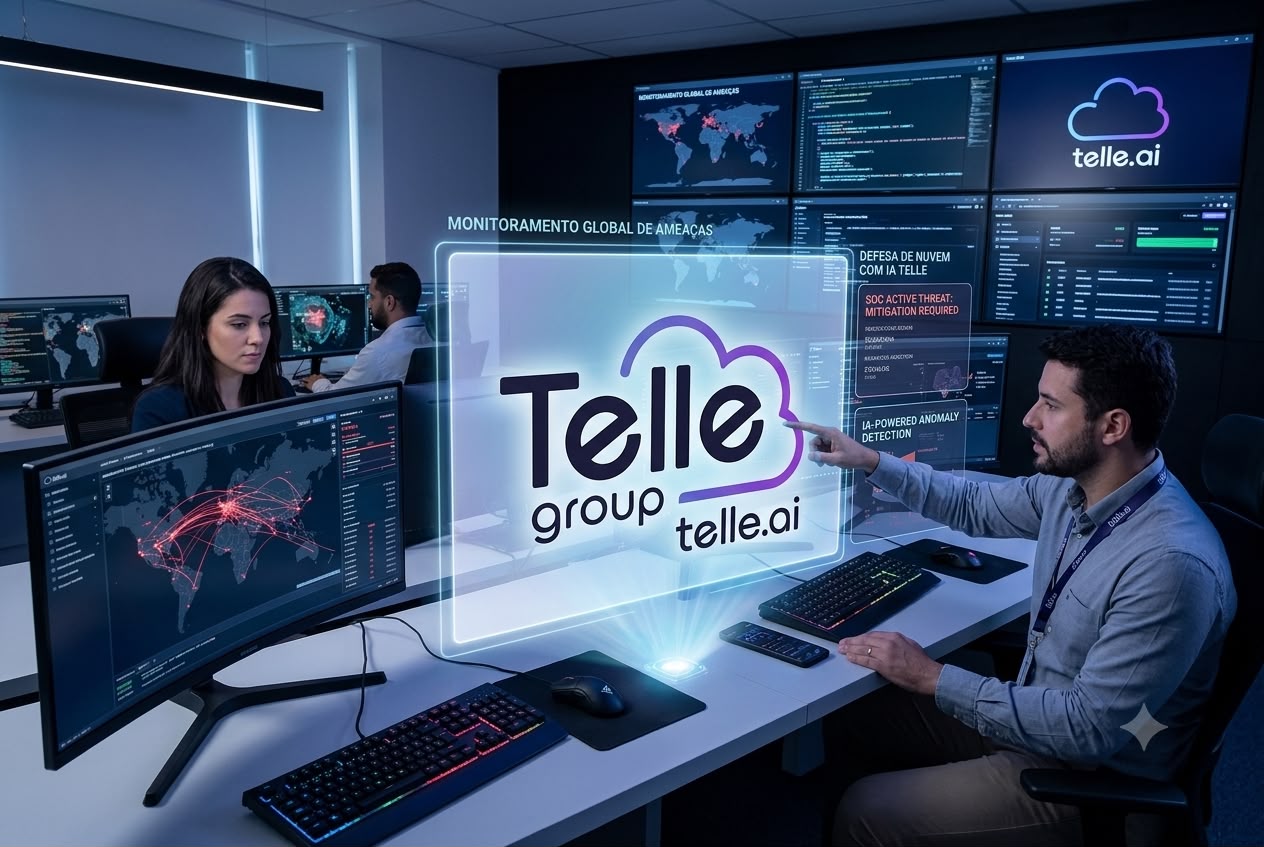
In the modern business landscape, digital transformation has brought unprecedented agility, scale and connectivity. At the same time, it has opened space for silent vulnerabilities that can affect data, systems, reputation and operational continuity.
Ransomware attacks, information leaks and financial fraud don’t just affect large multinationals. Small, medium and large companies can become targets when they do not have a robust digital security infrastructure.
But what differentiates ordinary IT from cutting-edge cybersecurity? If you are looking to understand how to protect your company’s IT infrastructure, this guide presents the fundamental prerequisites and functions that your organization needs to implement to strategically reduce risks.
The fundamental prerequisites of cybersecurity
Before investing in expensive software or complex tools, a company needs to prepare the ground. Without a structured cultural and organizational base, any technology loses strength.
Safety culture
The human factor remains one of the most sensitive points in any digital ecosystem. A single click on a well-crafted phishing email can compromise credentials, internal systems, and corporate data.
Therefore, continuous training, practical guidance and clear communication about digital risks are an essential part of protection. Cybersecurity should not be the sole concern of the IT team; it needs to be present in the company’s routine.
Clear security policies
Every company needs to document objective rules about passwords, access, personal devices, use of systems, file sharing and processing of sensitive data.
These policies help reduce improvised decisions and create a common reference for employees, managers and service providers. Ideally, they should be applicable, periodically reviewed and accompanied by technical controls.
Asset inventory
It is impossible to protect what is not mapped. The company needs to know which computers, servers, software, applications, integrations, accounts, links, firewalls and data flows are part of the operation.
A complete inventory allows you to identify attack surfaces, prioritize patches, control licenses, and reduce infrastructure blind spots.
Leadership support
Cybersecurity should not be seen just as an IT expense. It is an investment in business continuity, commercial confidence and operational risk reduction.
When directors and managers participate in decisions, it becomes easier to define budgets, prioritize actions and ensure that policies are respected throughout the organization.
The Vital Functions of an Advanced Protection Framework
With an organized base, the company needs to implement technical and operational functions to prevent, detect, respond and recover operations in the face of incidents.
Identity and access management
The golden rule is the principle of least privilege: each person should only have access to what they really need to perform their role.
Furthermore, multi-factor authentication must be applied to critical accounts, administrative systems, corporate emails and management platforms. This control reduces the impact of leaked credentials and makes unauthorized access difficult.
Continuous monitoring and incident response
Digital threats don’t have business hours. Therefore, a mature operation needs to monitor events, traffic, access attempts, endpoint alerts and abnormal behavior in systems.
Frameworks like SOC, managed monitoring, and incident response help identify issues quickly, contain damage, and reduce company exposure time.
Vulnerability management
Outdated systems work like open doors. The security routine must include software updates, security fixes, configuration reviews, external exposure analysis and periodic tests.
Pentests and vulnerability scans help find holes before they are exploited by third parties. The objective is to address risk continuously, not just after an incident.
Advanced endpoint protection
Notebooks, desktops, servers and mobile devices are relevant entry points for attacks. Traditional antivirus may not be enough for modern threats.
Solutions like EDR help analyze behavior, block suspicious actions and provide visibility into what happens on corporate devices. This type of protection is important for companies with distributed teams, remote access and hybrid environments.
Immutable backup and disaster recovery
If an incident happens, the central question is: how long can the company stay idle?
Isolated, immutable and frequently tested backups increase the chance of recovery without depending on ransom payments in cases of ransomware. A disaster recovery plan must also define priorities, responsible parties, deadlines and procedures.
Governance, risk and compliance
Security also involves processes, auditing and compliance. Adapting practices to the LGPD and references such as ISO 27001 helps protect data, reduce legal exposure and increase the trust of customers, partners and investors.
Governance allows the company to treat security as a strategic routine, with metrics, responsibilities and continuous evolution.
How Tellegroup can support your company
Building and maintaining a cybersecurity structure requires technical knowledge, appropriate tools and constant monitoring. For many companies, relying on a specialized partner is a more efficient way to evolve protection without overloading the internal team.
Tellegroup helps companies connect security, connectivity, cloud telephony and enterprise infrastructure into a more stable architecture for B2B operations.
Speak to a Tellegroup specialist and understand how to strengthen the cybersecurity of your operation.