
 Joaldo Lima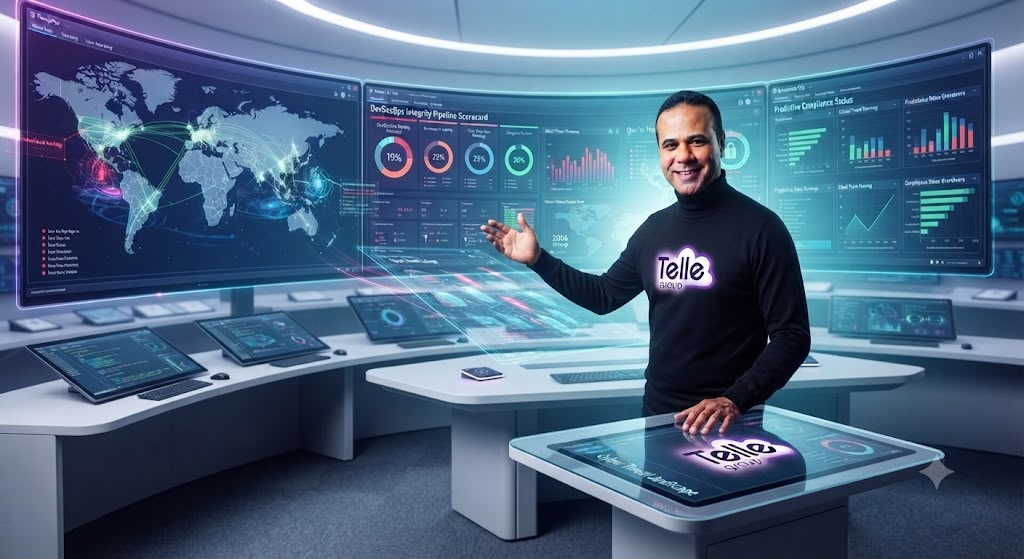
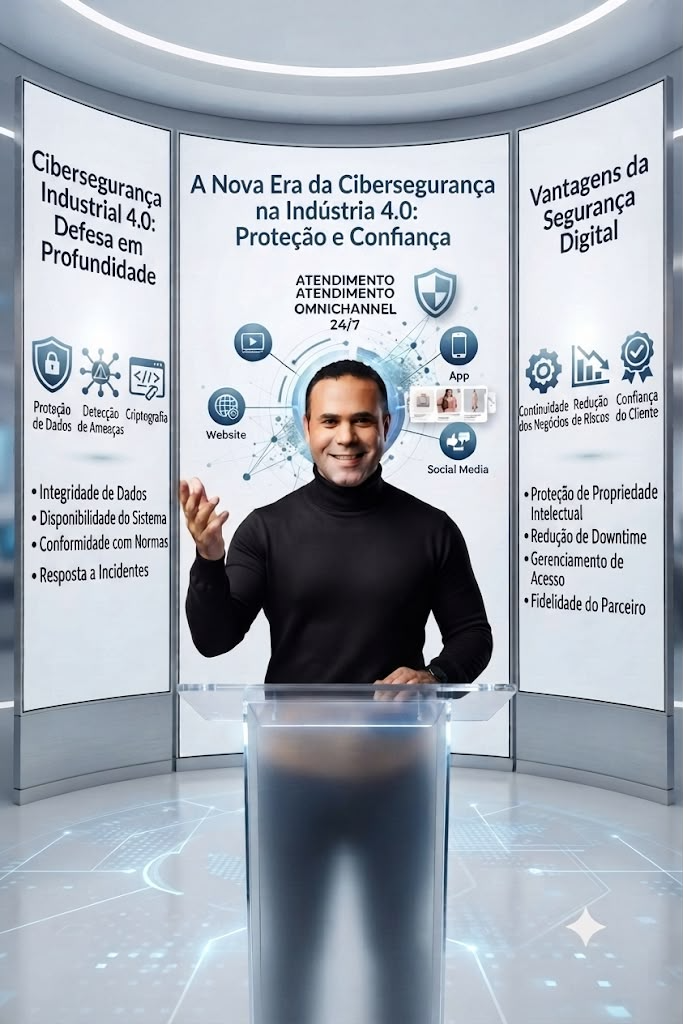
Cybersecurity is no longer seen just as a cost center. In the current scenario, it is a foundation for business continuity, reputation, governance and secure growth.
For security leaders, the challenge is not just blocking threats. The mission is to allow the organization to grow with visibility, control, intelligence and real responsiveness.
The end of dispersion: why a centralized vision matters
Complexity is one of the greatest enemies of defense. Companies operating with disconnected tools create data silos, duplicate alerts, monitoring gaps, and dangerous blind spots.
A modern strategy requires convergence: data, events, indicators, policies, risks and security modules need to be viewed in an integrated way. Less dispersion means more clarity to act.
Cybersecurity as executive governance
Information security cannot be restricted to operational matters. She needs to talk to management, legal, finance, technology and business areas.
This means transforming technical alerts into executive indicators, such as:
- Risk level by area or critical asset.
- Average incident response time.
- Regulatory compliance status.
- Evolution of open vulnerabilities.
- Potential impact of threats on business continuity.
Pillars of integrated security management
1. Threat Intelligence
Threat intelligence helps anticipate the movements of cybercriminals. Instead of reacting only when the incident happens, the company monitors trends, indicators of compromise, active campaigns and emerging risks.
2. Continuous compliance
LGPD, GDPR, ISO and other standards require consistent processes. Compliance should not be treated as a one-off project, but as a continuous operational practice, with evidence, auditing and recurring improvement.
3. Defense of infrastructure and applications
Security needs to cover the entire lifecycle: network, endpoints, cloud, APIs, databases, applications and development pipelines. DevSecOps helps build security from code to production.
4. Evidence-based risk management
Not all risks have the same weight. Prioritization must consider asset criticality, exposure, exploitability, impact on the business and threat context. Thus, the board decides with data, not with assumptions.
5. Response and resilience
Security maturity is not only measured by the ability to prevent, but also by the ability to detect, contain, respond and recover. MTTR, playbooks, automation and simulations are an essential part of resilience.
Protection, reputation and value
Each vulnerability mitigated and each incident avoided preserves more than systems. They preserve trust, brand, contracts, customer data and continuity of operation.
In a market where consumers and partners demand digital responsibility, a mature security posture becomes a competitive advantage.
How to reduce MTTR and blind spots
Reducing average response time depends on visibility and process. Some practices help:
- Centralize relevant logs and events.
- Correlate alerts to reduce operational noise.
- Define response playbooks by incident type.
- Automate triage of recurring events.
- Integrate security, infrastructure and development teams.
- Maintain updated executive and technical dashboards.
Strategic glossary of terms
| Term | Role in security management |
|---|---|
| Threat Intelligence | Anticipate threats and guide defensive decisions |
| Compliance | Maintain controls aligned with legal standards and requirements |
| DevSecOps | Insert security into the development cycle |
| MTTR | Measure speed of response and recovery |
| Cyber resilience | Maintain operations even in the face of incidents |
| Risk management | Prioritize actions according to impact and evidence |
The role of Tellegroup
Tellegroup supports companies in evolving their security strategies, connecting visibility, governance, infrastructure, communication and protection in a more integrated model.
The goal is to help leaders move from fragmented defense to clearer, more measurable and business-oriented management.
Conclusion
The new era of security management demands governance, intelligence and resilience. Isolated tools and fragmented visions cannot keep up with the speed of today’s threats.
Centralizing visibility, prioritizing risks and aligning security with the business is the path to protecting the organization as it grows.